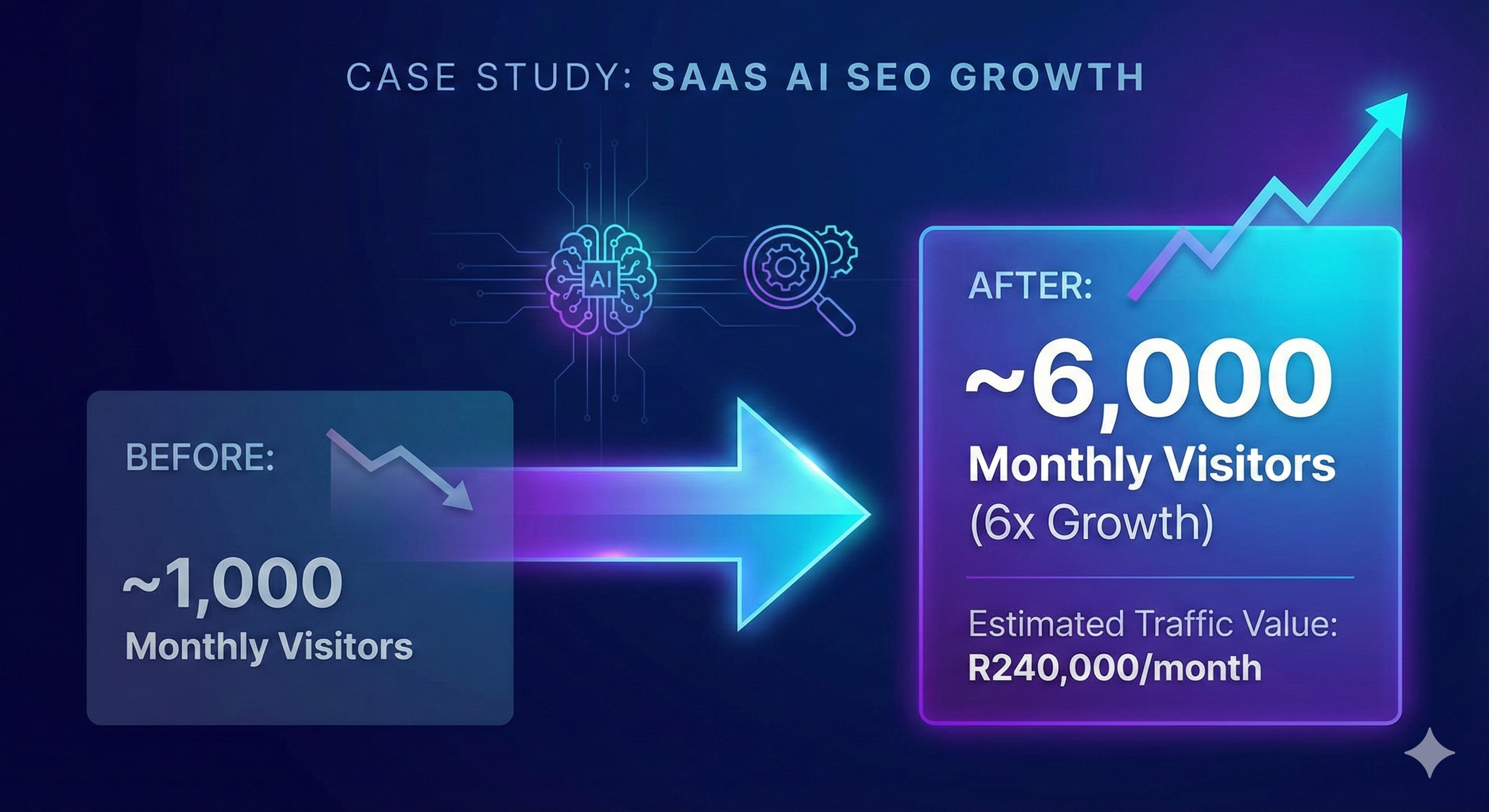


Google is no longer just a librarian pointing you to a book; it is now an assistant reading the book for you and providing the summary. This shift is why understanding what Generative Engine Optimisation (GEO) is has become essential for modern business survival.
What SGE Actually Means for Your Bottom Line
In plain terms, SGE uses AI to respond to queries with a conversational answer at the very top of the page. This is how AI is rewriting the rules of search, moving us away from simple keyword matching toward intent-based results.
The Shift in User Behaviour:
- Zero-Click Searches: Many users will find their answer via the SGE summary without ever visiting a website.
- High-Intent Clicks: While total traffic might dip, the users who do click through are often further along the decision-making journey.
- The Citation Game: Visibility now depends on being one of the “source cards” the AI uses to build its answer.
Why Quality Now Trumps Quantity
This isn’t just a UI update; it’s a filter for “thin” content. To stay relevant in an SGE world, your content needs Information Gain—providing insights or perspectives that an AI cannot simply scrape. This reinforces the real value of blogging; it is no longer about volume, but about establishing priceless visibility and authority.
5 Strategic Shifts to Prepare Your Site
1. Answer the “Un-Googleable” Questions
AI is excellent at broad facts, but it struggles with nuanced, professional expertise. Shift your content strategy away from basic definitions toward solving complex, real-world problems that require a human touch.
2. Implement Technical “Roadmaps” for AI
To be cited by SGE, your site must be easy to parse. This is why technical SEO matters more than ever. Without a clean web design and proper schema markup, AI engines may struggle to credit your expertise.
3. Focus on Topical Authority
Instead of scattering posts across random topics, “cluster” your content to show consistency. A well-rounded ultimate content strategy ensures that every piece of media works together to build your reputation.
4. Leverage Data-Driven Decisions
Don’t guess what is working. By using AI to analyse marketing performance, you can see which topics are gaining traction in AI overviews and pivot your strategy in real-time.
5. Diversify Your Visibility
Don’t rely solely on organic search. A robust digital presence includes paid campaigns, high-level public relations, and understanding how social media can improve your brand reputation.
The “What Not to Do” List
- Don’t fight the AI: Don’t try to hide information behind “clickbait” titles. If the AI can’t find the answer, it won’t cite you.
- Stop chasing “Curiosity Traffic”: General traffic is becoming harder to monetise. Focus on high-intent queries that lead to conversions.
- Avoid stagnant ads: Ensure you are using creative testing frameworks to keep your paid traffic costs low while SGE shifts user intent.
Is SEO Still Worth It?
Absolutely—but the goalposts have moved. Traditional SEO services are now about brand presence across all touchpoints, including Google Ads strategies that complement your organic efforts.
The businesses that adapt to this shift early will own the digital landscape. Those that continue with “business as usual” marketing will find themselves buried beneath the AI fold.
Are you unsure if your current digital assets are positioned for SGE? We specialise in high-intent strategies that go beyond the basic keyword.